
What Are the Areas Where Cosmetic Packaging Is Used?
Cosmetics are products that affect the body without changing its structure or function. They cleanse, beautify, and enhance appearance. Cosmetic packaging is used to protect and store personal care, hygiene, and makeup products. These include shampoo, conditioner, care oils, shower gels, body lotions, toothpaste, and moisturizing creams.
Cosmetic product packaging can be used in the areas listed above. These packages are prepared in accordance with criteria set by the International Organization for Standardization and are also manufactured according to national regulations.
What Needs Do Cosmetic Packaging Meet in Different Areas?
Cosmetic product packaging meets different needs. Some of these needs are oriented towards the brand, while others are for the consumer. You can find some of the needs met by cosmetic packaging used in different areas in the list below.
- Storage: Cosmetic bottle packaging primarily meets the storage need, as products require a container for placement.
- Protection: The second need met by cosmetic bottle packaging is product protection. Cosmetic products must be protected against factors such as air, light, humidity, and microbial contamination. Packaging ensures this protection, thus extending the product’s shelf life.
- Usability: Packaging helps in the convenient use of cosmetic products. Hygienic usage is ensured with cap designs suitable for the product’s structure.
- Portability: Another need met by packaging is transport. Most cosmetic products have a high liquid content, so they require packaging for transportation. These packages also provide convenience for the user during travel.
- Hygiene: Packaging ensures products are stored under clean conditions. It is important for hygiene that the product remains uncontaminated until opened and during use.
- Safety: Contact of cosmetic materials with other products may cause safety issues. Packaging protects both the cosmetic materials and items that could be negatively affected.
- Dosing Control: Packaging allows for dosage control, enabling products to be divided into expected usage amounts. Quickly perishable products can be placed in small containers, while products used in larger quantities can be packaged in bigger containers. Different volume packaging accommodates each product and user.
- Product Information: Packaging allows for printed labels and stickers. Thus, users can access information such as ingredients, usage instructions, side effects, manufacturing, and expiration dates.
- Brand Identity and Aesthetics: Packaging also meets aesthetic requirements alongside functional needs. Packaged products are sold and expected to appeal to potential consumers. Proper packaging attracts attention aesthetically and reflects brand identity.
Packaging should also meet environmental sensitivity needs, as the consumed part of the product is not the packaging. Therefore, the leftover packaging after use should have minimal environmental impact, which requires selecting suitable materials. Another reason why packaging material selection is important is the risk of chemical reactions. Cosmetic mixtures containing acidic or basic substances may interact with some packaging materials. Proper packaging ensures all processes—including production, transport, sales, usage, and recycling—proceed smoothly.
Various Cosmetic Packaging Designs
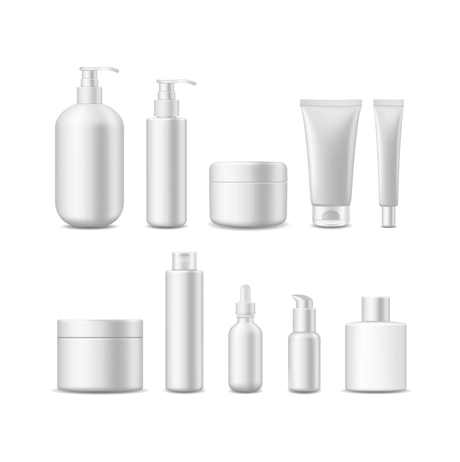
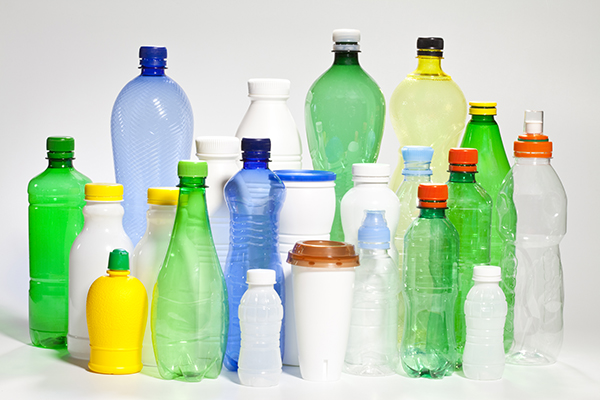
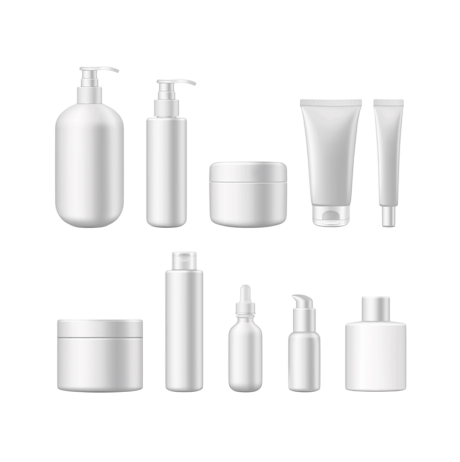
Packaging design varies according to the type of cosmetic material. For example, a plastic shampoo bottle is a type of cosmetic packaging, designed to transport liquid products and allow dispensing by squeezing. Moisturizing cream packaging is usually in tube or jar form, allowing users to hold and use the product conveniently.
Lotion bottles and cleansers are mostly designed with pumps, which help in dosage control and one-handed usage. Dropper-style cosmetic packaging is suitable for serums. Single-use products are often sold in thin plastic pouches.
How Does Ecoplast Produce Cosmetic Packaging?
Ecoplast was founded in Istanbul in 1985. Growing in its sector and expanding globally, the brand continues production with four factories. It always uses the latest technologies. The brand, which adopts the products it packages, has a versatile working strategy and vision. Therefore, it strives to create the healthiest conditions for the production process.
In Ecoplast factories, polyethylene and polypropylene are used for cosmetic packaging materials. The molds used for packaging are also produced in the company’s own workshop. Owning its mold workshop allows the brand to offer completely original designs.
Ecoplast emphasizes recycling in its production process, using 15% to 30% recycled raw materials. It operates machines that save electricity and water while reducing carbon footprint. Additionally, all factories use the energy generated by production machines for heating, without relying on natural gas or other fuels. Low-weight packaging consumes less raw material. You can also choose Ecoplast for cosmetic packaging that protects the environment, producers, and consumers.